
Property advice · · 7 min read
Panoramic view: how the horizon affects the price
A panoramic view can raise the value of your property. Here is how to measure it and how to make the most of it simply.
By Compagnie Foncière du Mont-Blanc, updated

The quiet power of an open horizon
When you walk into a villa above Lake Geneva or a chalet overlooking the valley at Verbier, you understand at once that part of the place's value lies beyond its walls. The view, especially when it stretches across a hundred and eighty degrees of sky and water, has a strong effect on the emotions: it makes the interior feel larger, it calms and, almost always, it pushes the price up. Owners sense it, buyers ask for it. What remains is to turn this impression into figures, without relying on love at first sight alone. That is where the term “panoramic view” takes on its meaning: it refers to a concrete asset which, properly measured, translates into real value.
Why the view counts for more than the floor area
In a standard valuation, the floor area, the year of construction and the quality of the finishes explain most of a property's price. Yet a thirty-square-metre living room with south-facing picture windows is not “worth” the same depending on the horizon it frames. Genuine waterfront shoreline amounts to only a few kilometres, and in some years only a handful of these properties come onto the market. This scarcity creates a premium that is independent of floor area: all else being equal, a panoramic view often adds 10 to 20% in comparable markets, and more when the immediate surroundings are highly sought after.
The explanation is simple. The buyer pays for square metres, but above all they are buying a way of life. Beyond material comfort, they want a daily scene (sunrise over the water, snow-capped peaks in the distance, terraced vineyards turning green in spring) that justifies their emotional investment as much as their financial one.
From emotion to method: making the panoramic view objective
Even for an experienced adviser, valuing a view is a balancing act. Too low, and you shortchange your client. Too high, and you block the sale. Looking for a compromise often leads to a tense negotiation in which each side disputes the “subjective” part of the price. So you have to move from the image to the measurement.
Our method starts with a geographical and visual analysis of the property:
- Opening: what angle is really clear from the living areas? Sixty degrees does not give the same sense of space as a full panorama.
- Height of the horizon: does the line pass above the neighbouring roofs, the hills, the treetops or the vines?
- Quality of the foreground: water, mountains, vineyard, wooded park. What you see in the foreground changes the premium.
- Durability: what will become of the view? A planning project, a growing hedge or a change of use on a neighbouring plot can cut the horizon within a few seasons.
The panoramic view is then broken down into variables that are scored, compared and weighted against a sample of local sales. To this we add seasonal effects (trees in leaf or bare in winter), orientation (due south or north) and any nuisances (road, railway, prevailing wind).
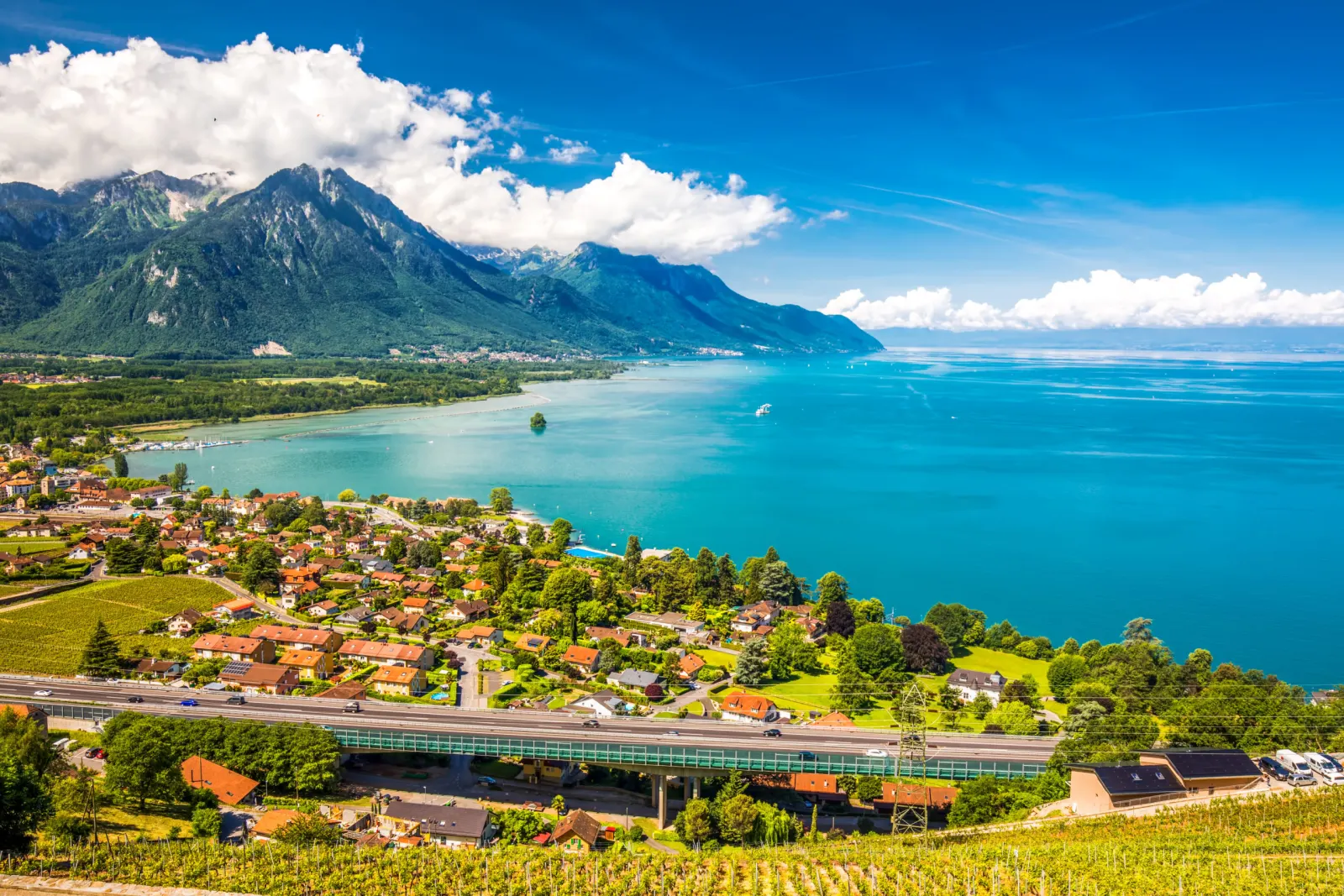
The hierarchy of horizons: lake, mountains, vineyard, town
Not all panoramas have the same value. Some win people over immediately, others work more slowly.
Full lake view
With nothing between you and the water, it concentrates demand. The reflections and colours of the lake change constantly through the day. The premium peaks here when the late-afternoon sun makes the surface of the water shine.
Alpine view
A clearly readable chain of peaks, a glacier gleaming in winter, a sharp relief in the distance: the effect is strong. The premium depends on how crisp the line is and on the orientation. A north-facing panorama loses its interest as soon as the light fades, whereas a south-west outlook makes the most of the sunsets.
View over vineyards and cultural landscape
Terraced vines, orchards, meadows edged with dry-stone walls: this landscape tells the story of a region. The horizon is less spectacular, but it is lived in. This continuity reassures and creates a gentleness that buyers grow attached to.
Open town view
In town, an open outlook is rare and is therefore a strong advantage. In the evening, the city lights form a picture. The panoramic view comes on top of nearby services and neighbourhood life.
Turning the asset into value: frame, clear, preserve
Sometimes the view is there, but something hides it. An aluminium frame that is too thick cuts the horizon. A row of cedars, beautiful but invasive, hides the waterline. Tinted glazing dulls the colours and absorbs the light. Before considering major works, start with simple measures:
- Clear the foreground: selective pruning, light trimming, tidying the surroundings.
- Adjust the envelope: extra-clear glazing, slim frames, flush thresholds so that the horizon “comes into” the room.
- Rearrange the space: lower the seating, move the table into line with the view, lighten the curtains.
- Work on the light: dimmers, warm tones at dusk, control of reflections (matt rugs, understated textiles).
The photography must follow the same logic. Well-handled HDR photos taken at golden hour, followed by a drone flight close to the façade, show the continuity between inside and outside. For buyers who live far away, the first contact happens online: that is where the panoramic view has to win them over.
Real cases: when framing changes everything
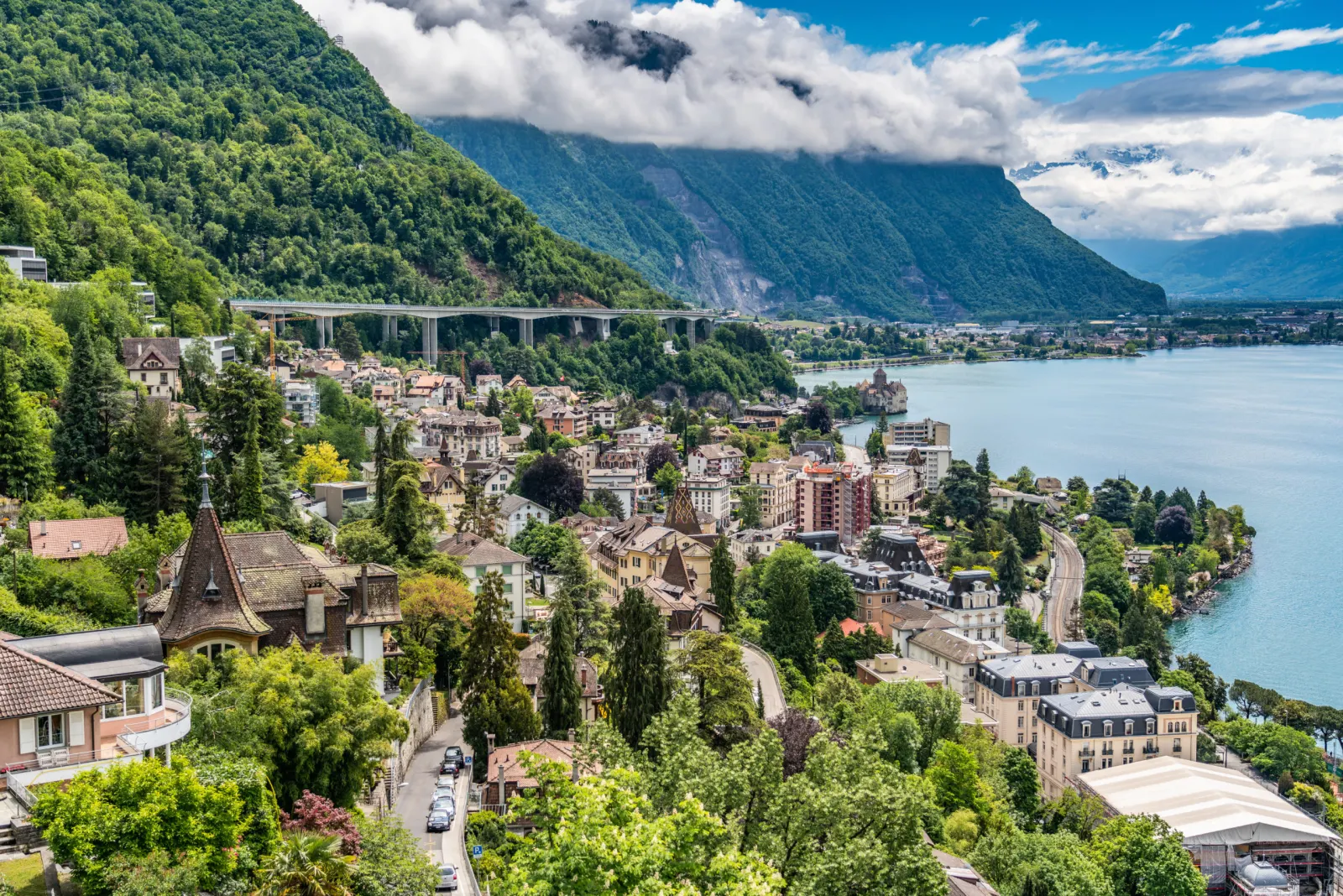
Montreux
Before the work, the lake appeared only in fragments, hidden by trees that were too dense. A visual simulation, then selective pruning: 36 000 CHF spent, three weeks of work, and a horizon opened up over more than a hundred and twenty degrees. On sale, the price exceeded the initial valuation by more than 400 000 CHF. The property had not “changed”; it could simply be seen better.
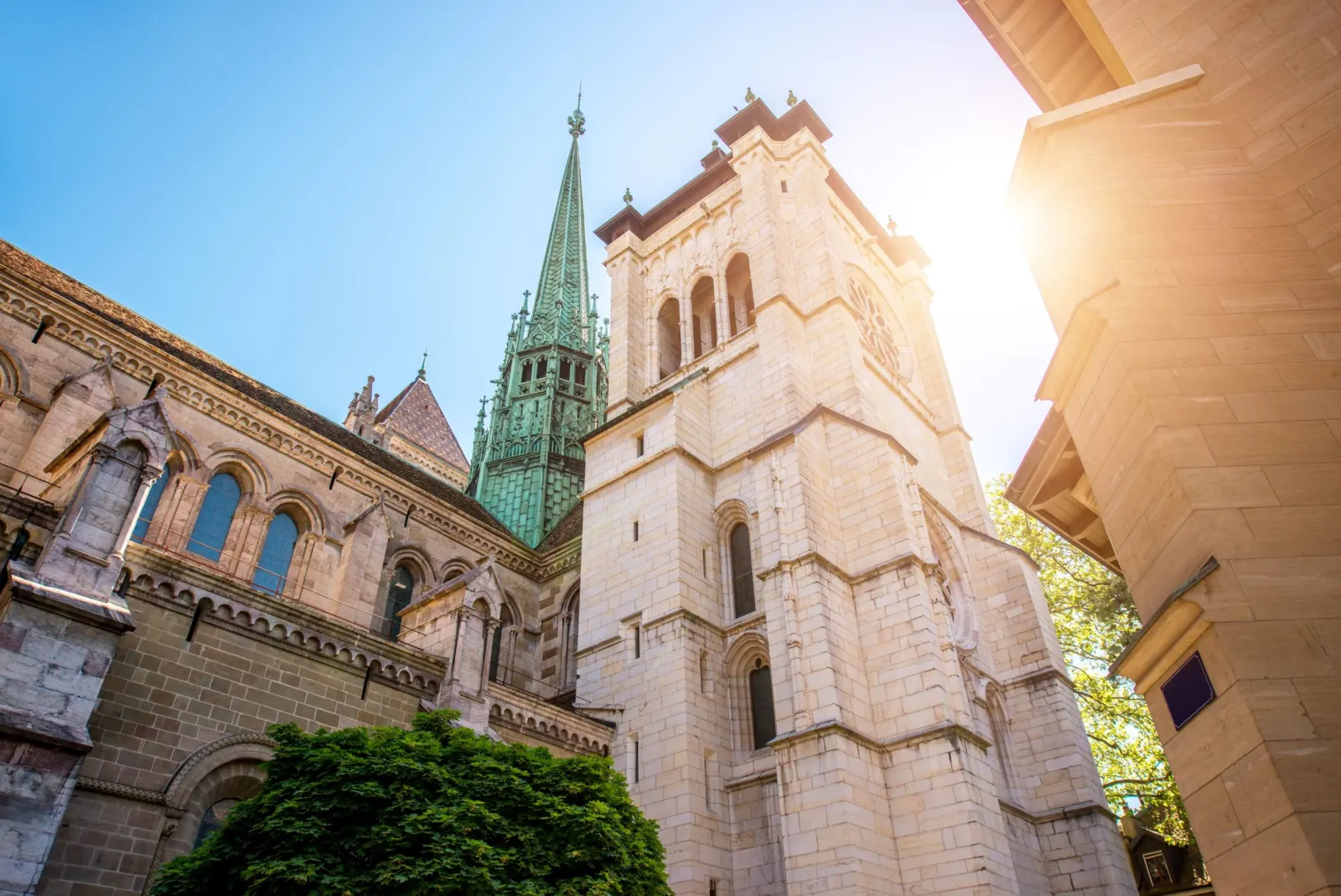
Geneva
A very well-located penthouse suffered from ageing window frames and tinted glazing from the nineteen-nineties. Replacing the frames, fitting extra-clear triple glazing, setting the joinery further back and levelling the thresholds cost 120 000 CHF. Without gaining a single square metre, the final offer rose by about 500 000 CHF, signed within forty-one days.
These two examples show the shift from a view that is promised to a view that delivers. It is this delivery, made up of visual proof and felt comfort, that the buyer pays for.
From intangible to measurable: how to put a figure on the premium
To translate a panoramic view into value, we proceed in stages:
- Map the view: angle, planes, cross-sections, height of obstacles, exposure, seasonal variations.
- Describe the foreground: water, relief, vines or vegetation, quality of textures and colours, reading of the lines.
- Check durability: planning documents, easements, risks to the landscape (growing trees, neighbouring projects).
- Compare: recent local sales with a comparable horizon, weighted by floor area, condition, access and nuisances.
- Deduct the weak points: noise, unfavourable orientation, view cut by the window frames, distracting reflections.
The result is not a “magic” figure, but an explained, documented range that holds up in negotiation.
Improving without major works: five high-impact steps
Not every owner wants to take on works. Yet a few simple actions improve how the property is perceived:
- Optical cleaning: spotless windows, blinds removed, lighter curtains.
- Paring back: declutter the sightlines and clear the thresholds.
- Furniture at eye level: low seating, tables that do not cut across the line to the horizon.
- Neutral palette: light walls, matt textiles, finishes that leave room for the landscape.
- Photos in two seasons: plan shoots in winter and in summer to show that the view stays the same all year round.
Psychology and negotiation: why the view changes the pace
A panoramic view reduces hesitation. The buyer is already picturing life there: breakfast facing the water, the evening light, silence above the vines. This projection overcomes resistance, on three conditions:
- A credible price compared with similar properties.
- Staging that matches the character of the place.
- A clear file that answers the decisive question: “Will this view last?”
When these conditions are met, requests for a discount focus less on “feel” and more on technical points, which are easier to deal with.
Conclusion: putting a figure on the horizon
The beauty of a landscape belongs to no one, but it influences every important decision about a property. The aim is to make the view objective, not to embellish it. By combining observation, measurement and comparison, the panoramic view becomes an argument backed by figures that you can defend. Some sellers will keep the property as it is, knowing that their horizon is enough to sell it. Others will spend a few per cent of the price on enlarging a window, pruning or working on the lighting, and will more than recover that outlay on the sale.